GPT Image 2.5: Prompt Guide
Learn how to prompt GPT Image 2.5 for type, texture and light
Prompt Guide
Overview
GPT Image 2.5 is OpenAI's image model, with sharper editing that holds everything you do not name. Describe a frame from nothing, or attach up to 16 images under References and the same prompt becomes an edit instruction against them. Pick the shape under Aspect ratio, the size at 1K, 2K or 4K, and the Quality from Low to Max. Long, specific prompts land better here than short ones.
How to write the prompt
- Write the brief in a fixed order: the scene, then the subject, then the key details, then the constraints. Name what the image is for — an ad, a poster, a UI mock, an infographic — so the model picks the right register and level of polish.
- Break a complex brief into short labelled lines (scene, subject, details, constraints) rather than one long paragraph. It is easier to change one line later than to rewrite the whole thing.
- For a photograph, say "photorealistic" or "a real photograph" outright, then speak photography: the lens, the light and where it comes from, the framing, and real texture on the surface. Camera settings steer the look; they do not simulate a camera.
- Put every word you want in the image inside quotes or ALL CAPS and give it a role — headline, subhead, date chip, credit line — with its position, size and weight. Spell a hard word letter by letter, ask for no other text, and check the spelling. Small or dense type wants Medium or High quality.
- Be concrete about materials, shapes, textures and the medium — photo, watercolour, 3D render. Pin the palette with hex values when colour matters, and add quality levers such as film grain or macro detail only when the shot needs them.
- End with what to leave out: no drop shadows, no neon glow, no watermark, no logos, no other text.
- Explore at Low quality, then re-render the frame you keep at High without touching the prompt. Reach for Extra High or Max only when a result falls short of what you need; a higher setting does not guarantee a better image.
- To edit, attach the image under References and write "change only" the one thing, then list what stays the same: identity, geometry, layout, lighting, labels. Repeat that list on every pass, and attach the previous render for the next change.
- With several references, number them and give each a role — Image 1 is the product, Image 2 the style — and say how they combine and what moves where: "apply Image 2's style to Image 1".
Type that survives the render
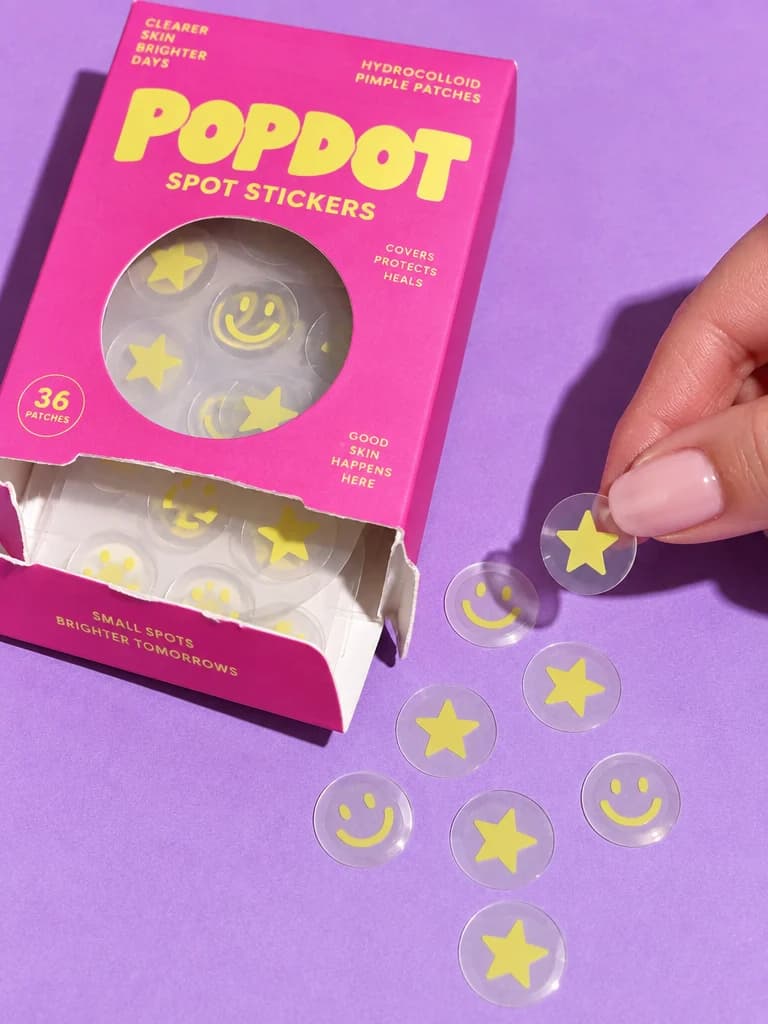
Set each piece of type in the prompt with its role and position, and say how it is made — pressed, printed or lit.
Prompt
Pimple patches — POPDOT Fictional DTC Gen-Z pop-beauty launch photograph. Brand: POPDOT. Hydrocolloid pimple patch kit in a hot-pink matte carton with a die-cut round window, label reading “POPDOT” and “SPOT STICKERS”. The open carton spills translucent star and smiley-face patches across a saturated lavender paper backdrop; a cropped hand pinches one patch. Hard direct flash from slightly left of camera creates a crisp violet shadow. Palette: bubblegum pink, lavender, acid yellow, clear glossy patches. Folded carton edges, torn perforation, tiny practical microtype texture. Sharp graphic 70mm product photo, no real brands, no watermark
Make the material do the work
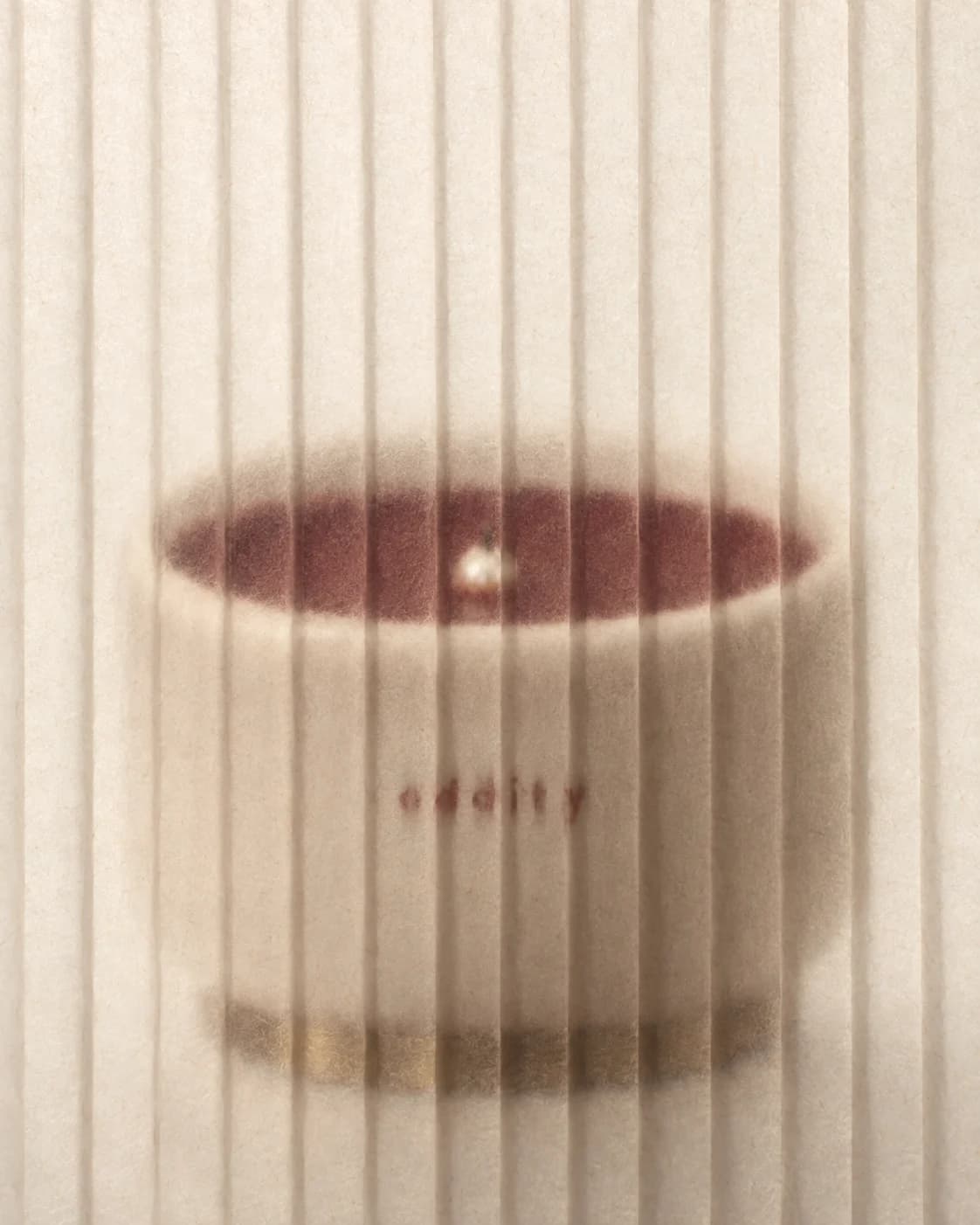
Describe how a material behaves under light, and let the letterforms appear through it rather than on it.
Prompt
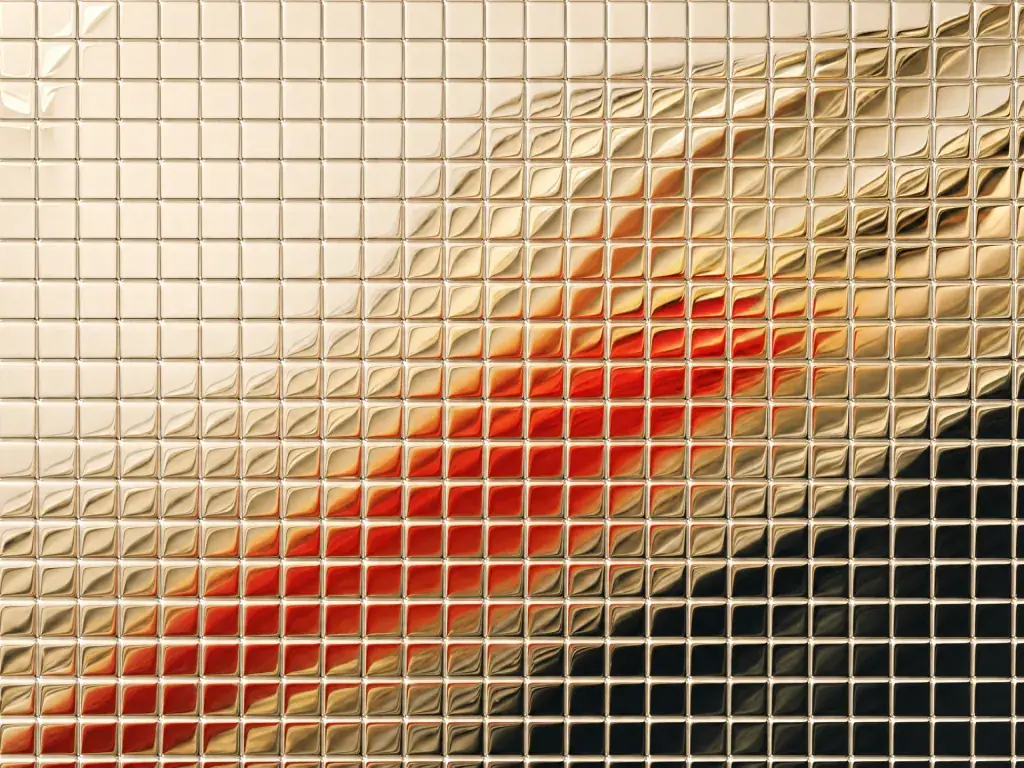
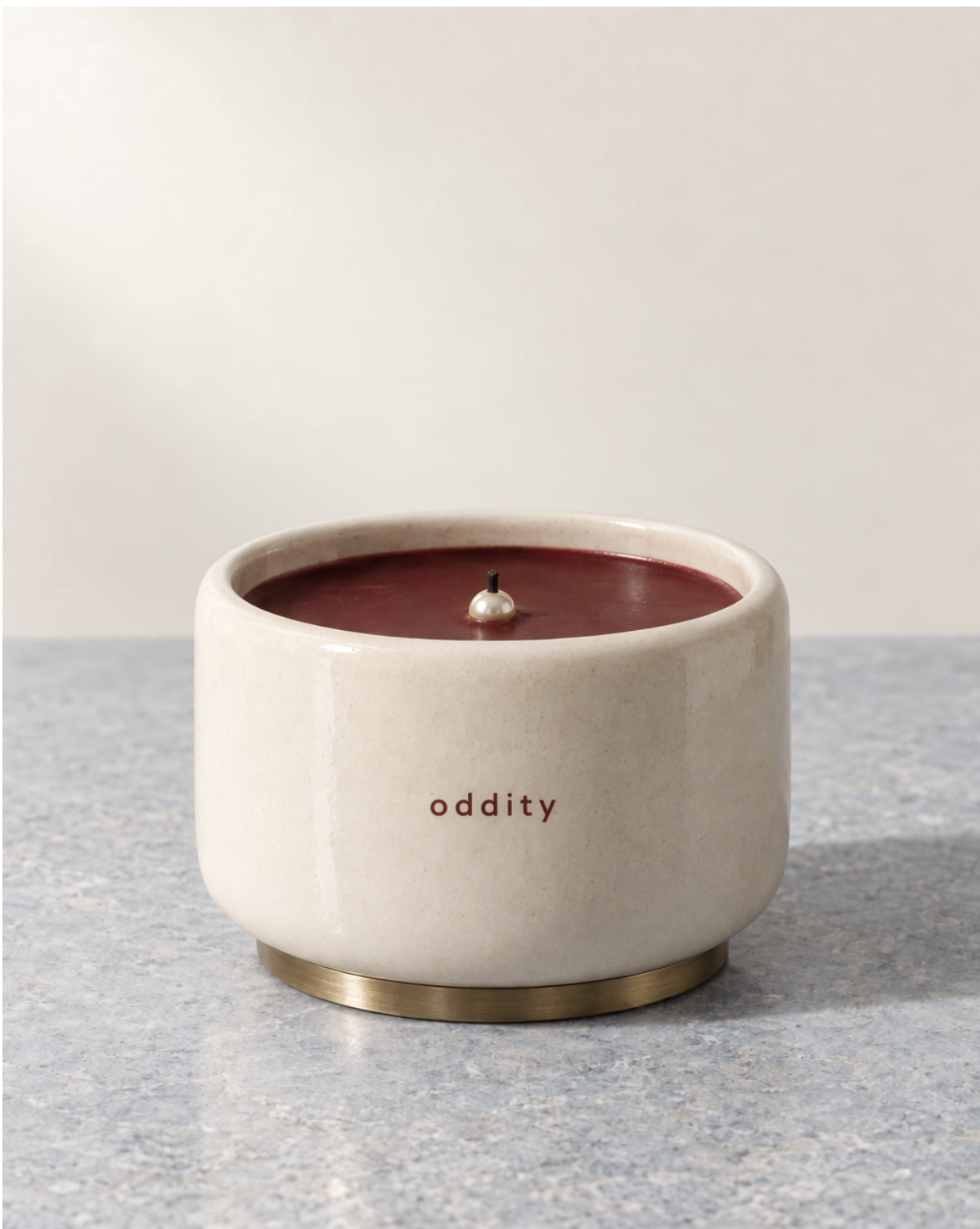
Use the source image as the only visual reference and strict product-identity master. Create a new vertical 4:5 ODDITY candle campaign photograph, not a recreation of the source. Preserve the same single low rounded warm-ivory speckled ceramic candle, deep oxblood wax, centered pearl-like wick detail and thin brushed brass foot ring. Photograph the candle behind one pale translucent ribbed paper screen made from fine vertical pressed folds, never glass. The paper ribs repeatedly stretch and compress every part of the candle into a soft wine-brown shadow. The lowercase oddity wordmark must be physically printed on the candle behind the screen and obey the exact same refraction: vertically segmented, locally stretched, softly diffused and only 60 to 70 percent readable. It must not appear sharp or pasted on top of the paper. Warm ivory light passes through visible paper fibers; faded burgundy, low contrast and old-print softness. No crisp logo, no glossy reflections, no dark backdrop, no additional object, no extra candle, no hands, no flowers, no packaging, no other text.
Light as the subject
When the subject is made of light, say where the brightness sits and how it falls off into the background.
Prompt
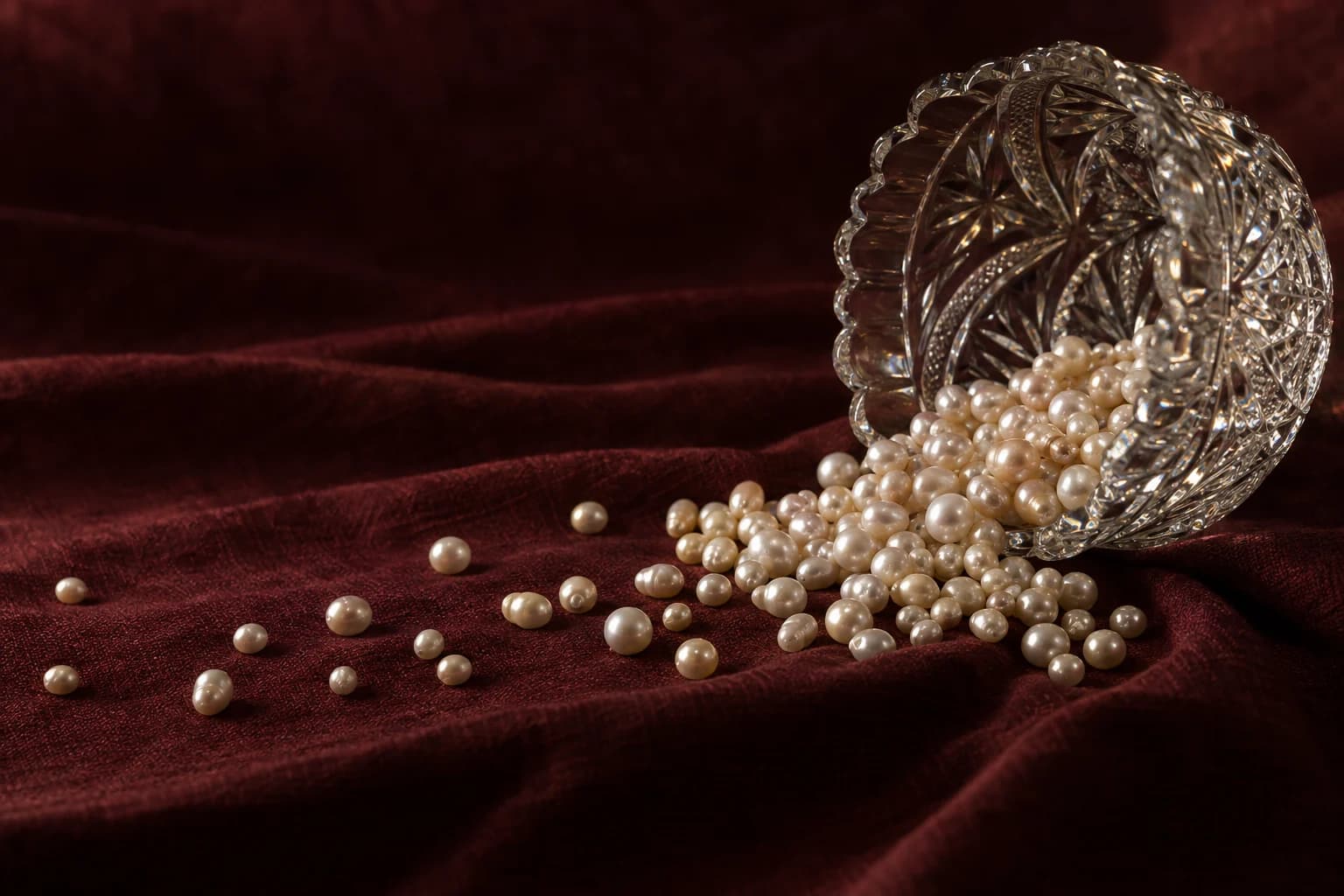
A low-key still life on a deep oxblood-burgundy linen cloth. A heavy cut-crystal bowl with a scalloped fluted rim lies tipped on its side at the right of the frame, spilling a cascade of small freshwater pearls across the fabric — a dense heap at the mouth of the bowl thinning to scattered single pearls that run away to the left. The pearls are irregular and warm ivory-white, each catching a small soft highlight. The crystal is bright and prismatic where the light passes through its cuts. Soft directional light from the upper right, deep soft shadows, rich dark ground with generous empty space at the left of the frame, muted warm palette, shallow depth of field, elegant product still life
Shoot it like a real photograph
Speak photography: the crop, the light and where it falls, the skin and what each material does under it, and ask for real texture. Add "photorealistic" outright when a render still reads as illustration.
Prompt
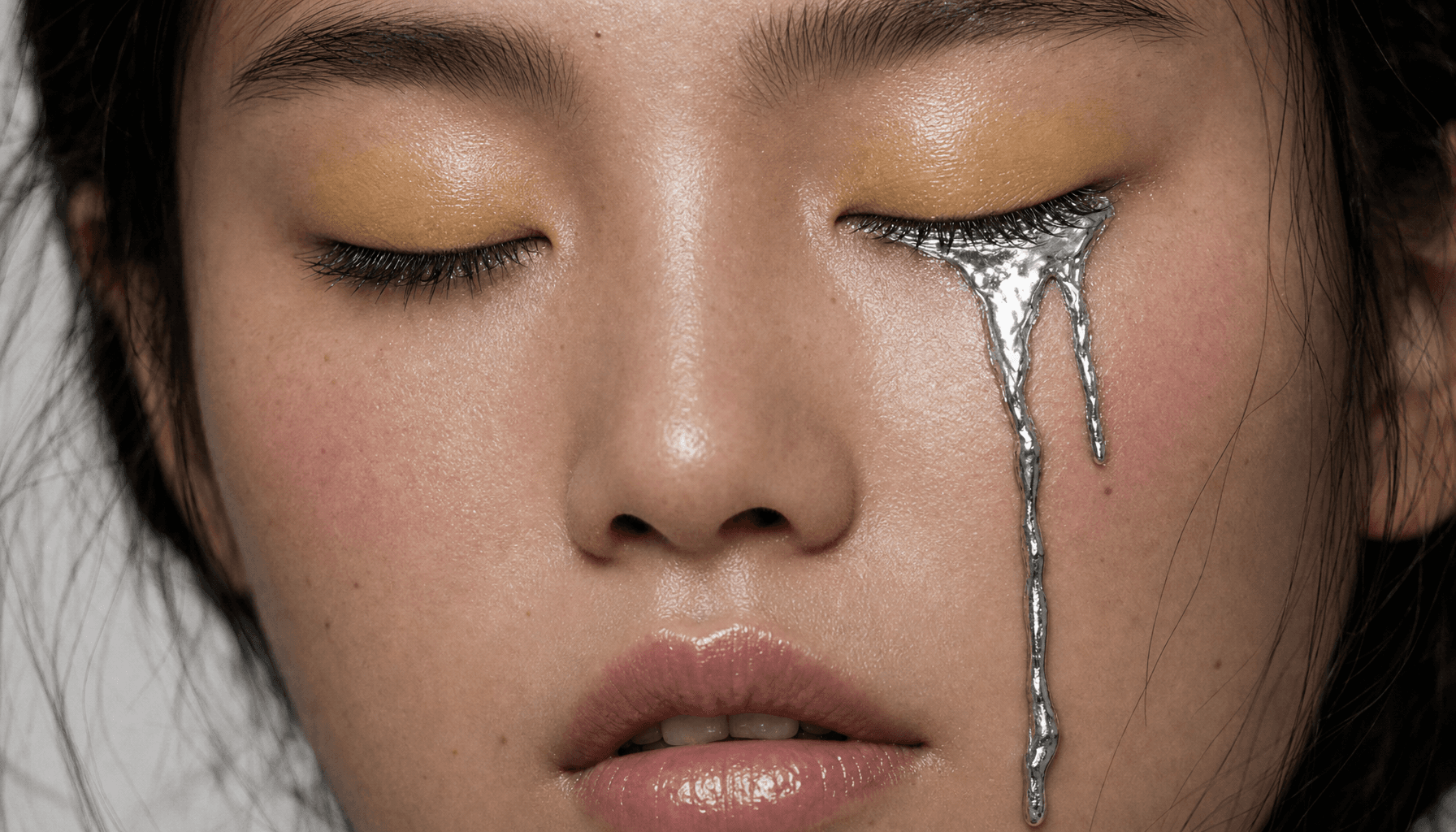
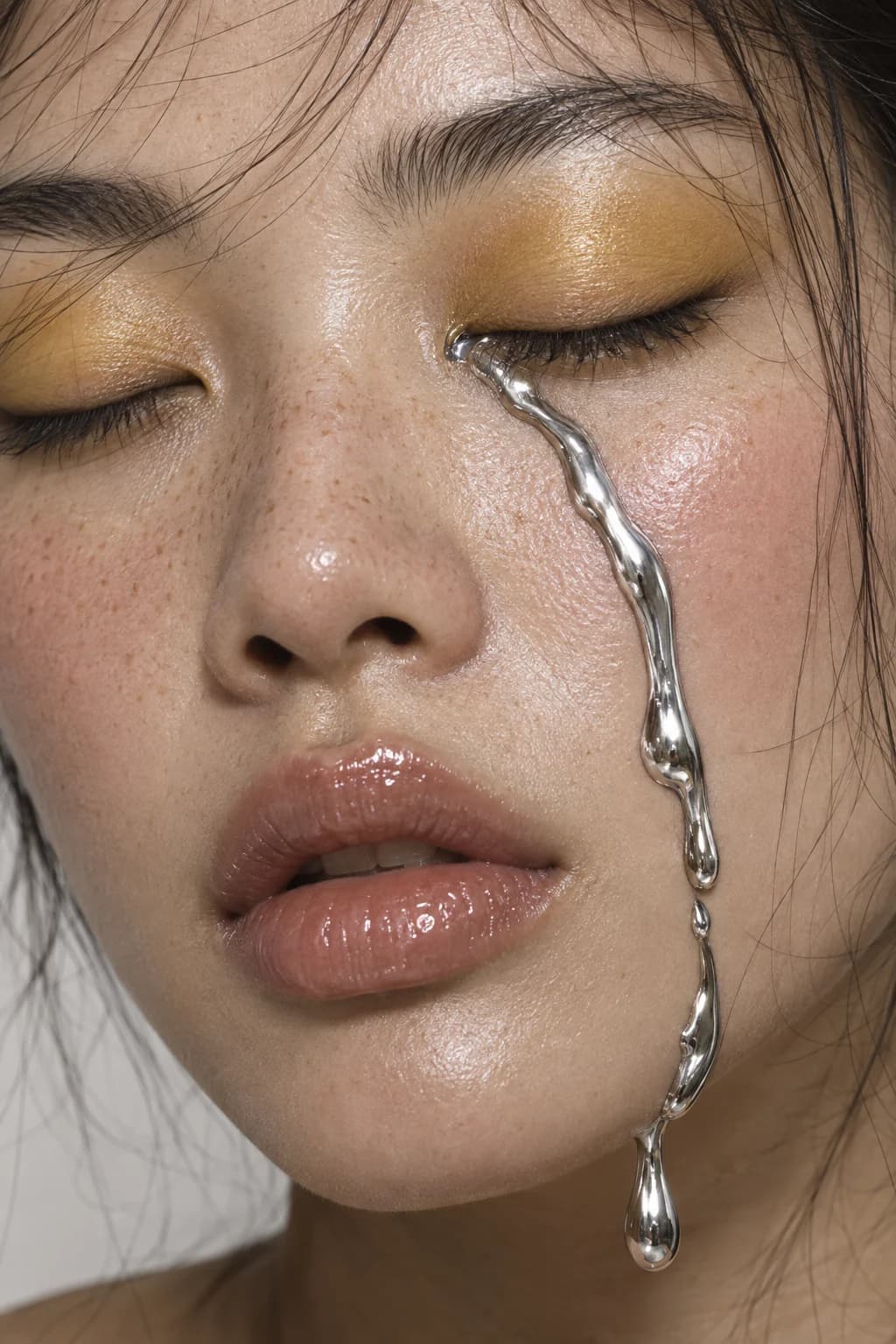
Extreme beauty close-up of a young East Asian woman's face, cropped from eyebrows to chin, both eyes closed. Her lids are painted with a soft matte mustard-yellow shadow that catches a faint sheen; lashes are dark and defined. Her skin is dewy and luminous with visible pores, fine freckles and a natural flush across the nose and cheeks; lips are full with a wet clear gloss, slightly parted. A single thick rivulet of liquid mirror-silver runs from the inner corner of one eye down over the cheek and past the jaw — heavy and metallic with bright specular highlights and rounded drips, reading as molten chrome rather than water. Fine dark flyaway hairs cross the forehead and temple. Soft frontal beauty light, pale neutral background, true skin tone, extremely high detail, editorial makeup photography
Change only what you name
With a reference attached, the prompt is an instruction against it. Say what must stay exactly as shown — design, label, logo, colours, shape, proportions — then build the new scene around it, and close with the exclusions.
Prompt
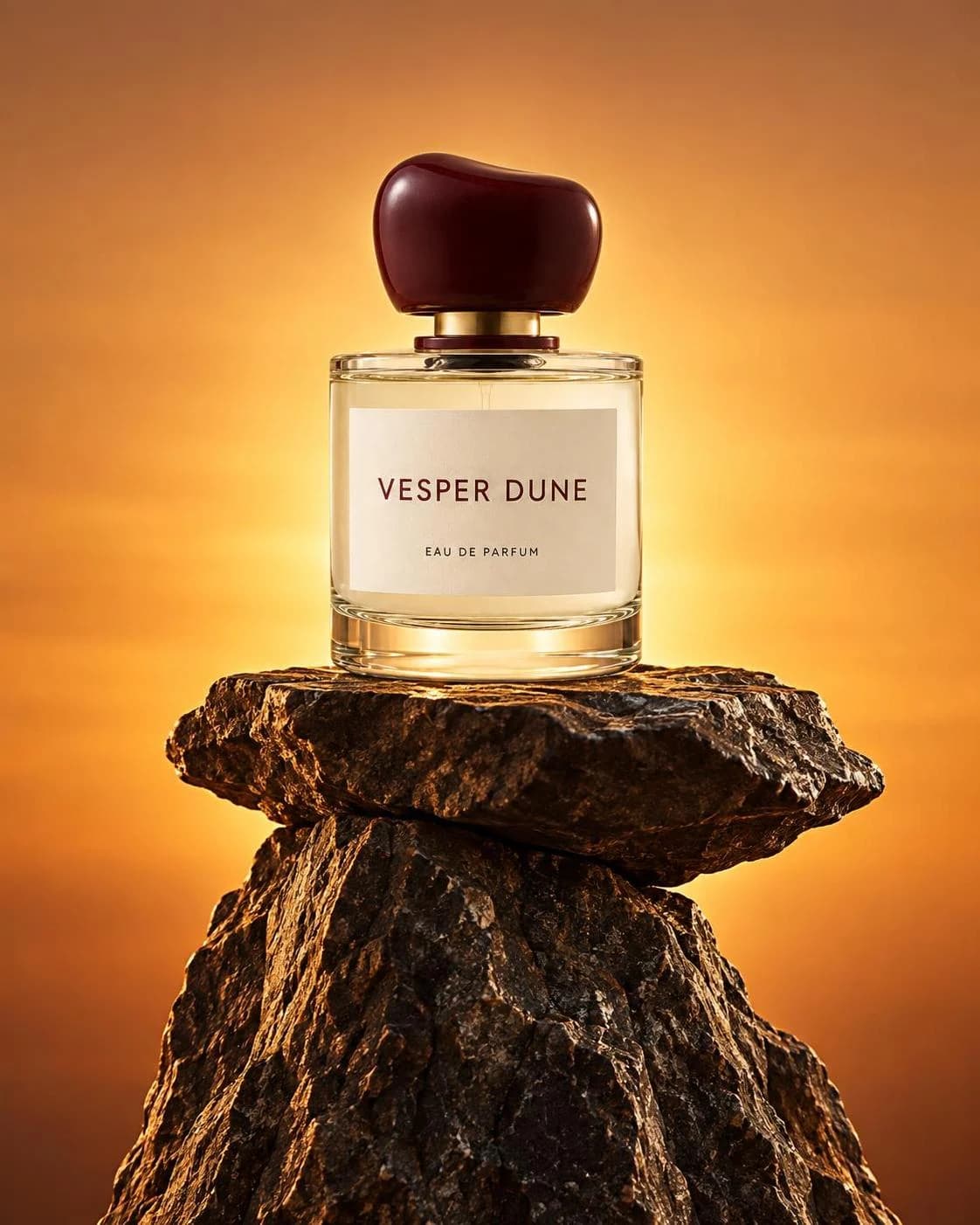
Create a bold, monumental commercial product image in a vertical 4:5 composition. Use the attached [PRODUCT] as the exact product reference. Keep [PRODUCT]'s design, label, logo, colors, shape, proportions, and packaging details EXACTLY as shown — do not redesign, relabel, simplify, warp, or invent new text. Scene: [PRODUCT] stands on a precarious stack of two dark, jagged natural rocks — a tall vertical base rock and a flatter capstone — against a seamless amber-to-gold sunset gradient with no horizon line. The rocks feel geological and heavy; the product feels precise and commercial on top. Product placement: [PRODUCT] centered, eye-level hero, front label fully readable, physically grounded on the capstone with a real contact shadow. Camera: eye-level, full-frame 85mm, f/5.6–f/8, product razor sharp, rocks tactile. Mild compression. Product occupies the upper-middle third. Lighting: crisp high-intensity studio lighting mixed with warm backlight from the gradient. Strong key from upper front/side for glossy highlights on packaging. Subtle rim to separate product and enhance contours. Soft wrap on the label so type stays readable. Minimal diffusion, prioritize sharp reflections and high micro-contrast on the stone. Color palette: amber, gold, dark stone, plus the exact natural colors of [PRODUCT]. Texture: coarse rock, polished packaging, no fog. Mood: premium, monumental, high-clarity CPG hero still. No text overlays, no fake logos, no extra brand marks, no garbled text, no watermark, no people, no waxy AI texture.
What to check before you ship
Precise placement in a layout-heavy composition, and a character who must look the same across several images, both need reinforcing from pass to pass: repeat the description and the preserve list each time. Read every word of rendered text, and when a region must stay pixel-identical, composite the approved edit back into the original in an image editor rather than trusting the prompt alone.