Text that survives the render
Headlines in extended caps, a date chip, a letterspaced credit line, tiny justified fine print — set in the image, at the size and hierarchy you asked for, instead of the usual glyph soup.
GPT Image 2.6 is OpenAI’s state-of-the-art image model. Prompt from scratch, build from multiple image references, or edit an existing visual. Plus, you can export PNGs with transparency or render an animated GIF.
Prompt guideHeadlines in extended caps, a date chip, a letterspaced credit line, tiny justified fine print — set in the image, at the size and hierarchy you asked for, instead of the usual glyph soup.
Attach the frame and describe the single change: swap the dried stems for one tulip, deboss a folk pattern along a lid's rim, let the butter start to melt. Framing, lighting, palette and grain hold while that one thing moves.
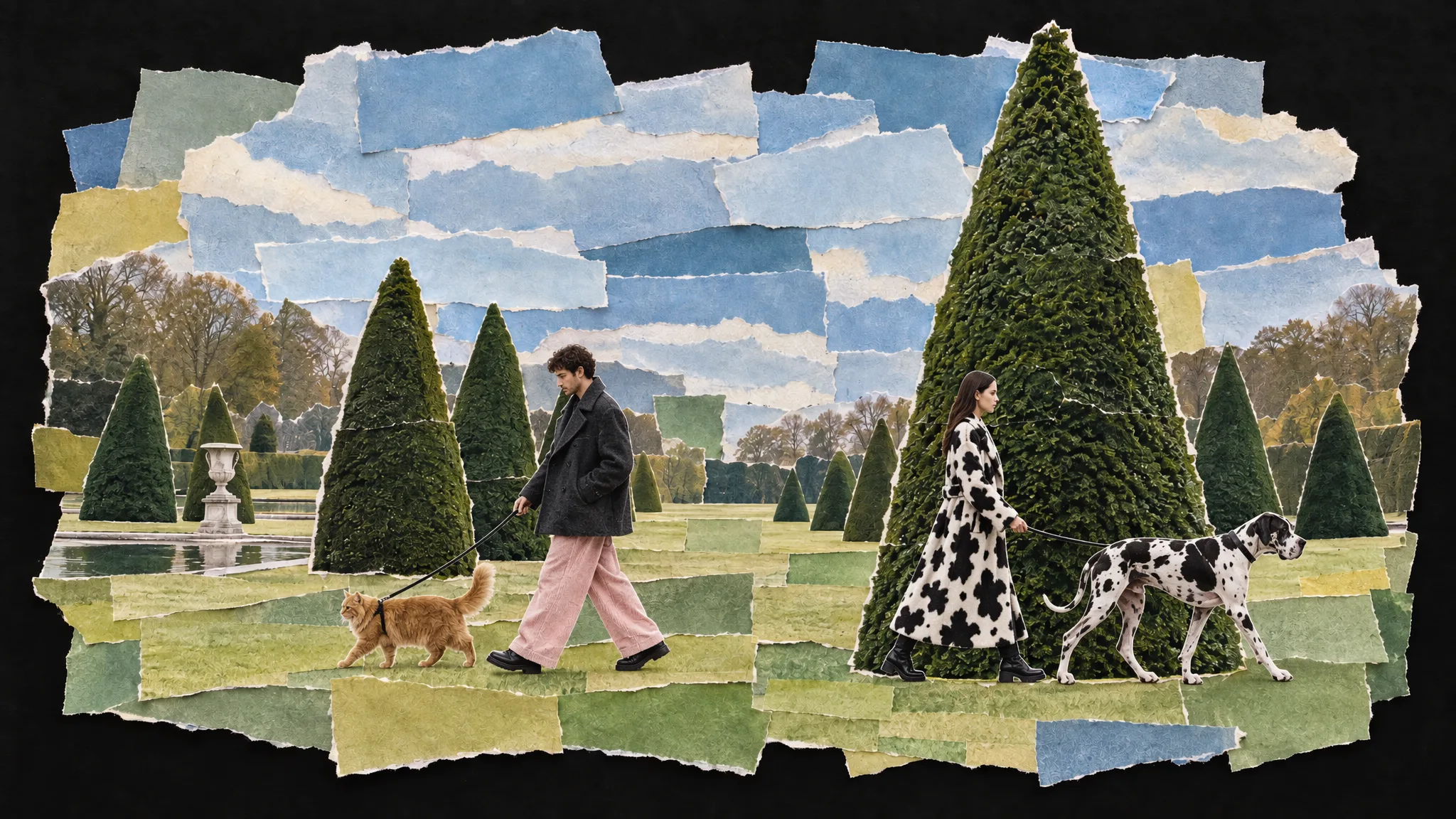
Composition and camera from the first image, the hero element from the second, the finish from a third. Attach up to 16 and describe how they should come together in a single frame.
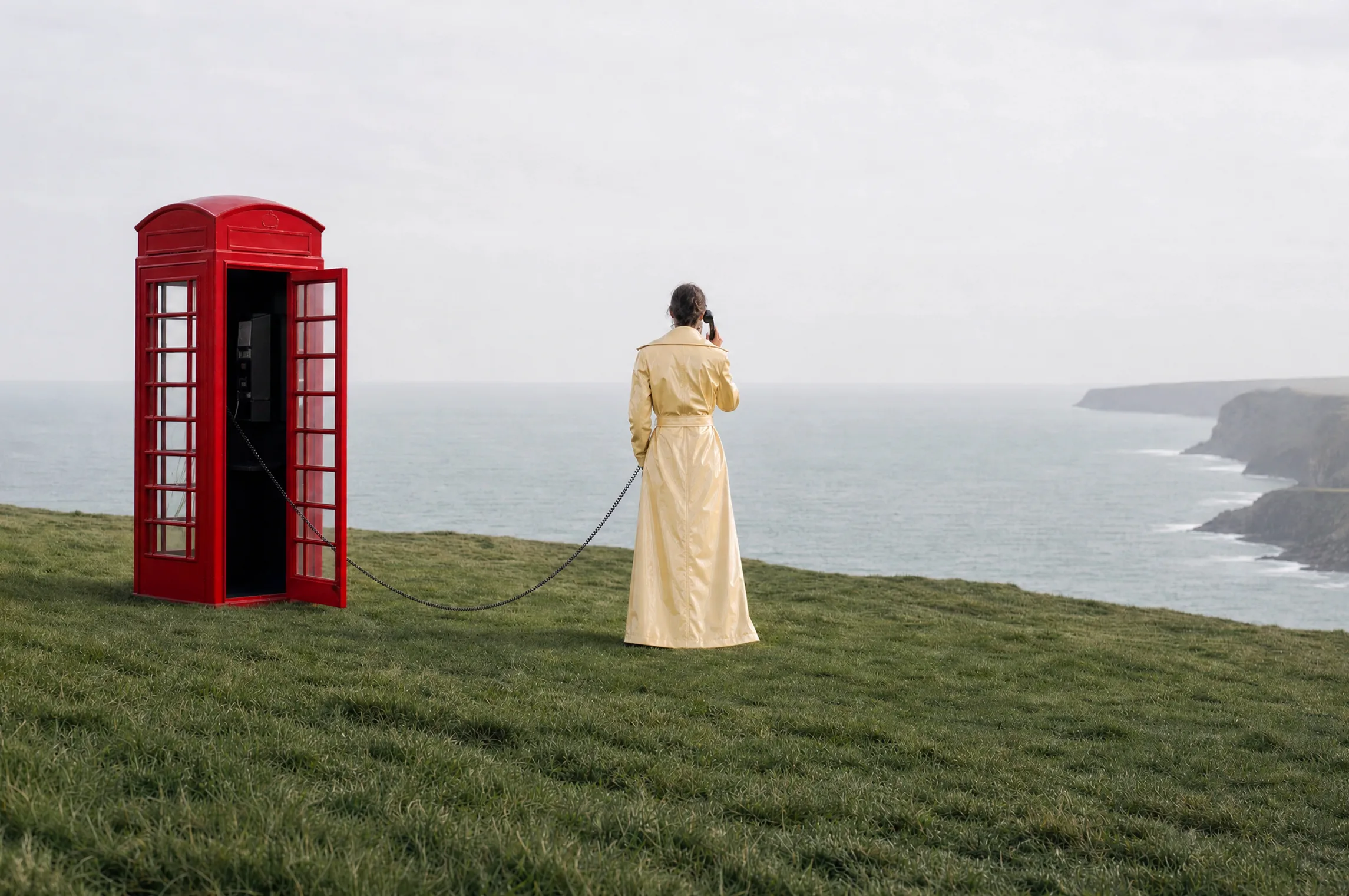
Set Background to Transparent and the render lands as PNG or WebP with real alpha — a product, an icon or a mascot that drops onto a layout with nothing to key out.
No. With nothing attached the prompt renders on its own. Attach one to sixteen images and the same prompt runs as an edit against them instead — one composer, both jobs.
Auto hands the shape to the model and leaves Resolution off. 1:1, 3:4, 4:3, 9:16, 16:9 and 21:9 set the shape explicitly, and Resolution then renders it at 1K, 2K or 4K. A GIF skips both and renders 512×512 frames.
Set Background to Transparent. Alpha only survives in PNG or WebP, so JPEG greys out while it is selected and a draft that was on JPEG renders as PNG rather than refusing.
Low is the default here and the fastest to come back; Medium, High, Extra High and Max push detail and fine type further at each step. Nothing else about the request moves.
One per generation. Set Generations beside Generate to run up to 30 at once; each is its own render with its own credits.
PNG, JPEG, WebP or an animated GIF. PNG is the default, and JPEG is unavailable while Background is set to Transparent.
Set Format to GIF (animated), then choose 2, 4, 6, 9, 12 or 16 frames and how long each one shows, from 20 ms to 2 seconds. The default is 9 frames at 200 ms. Every frame is 512×512, so Shape and Resolution step aside and Background stays on Auto. Attach references and the GIF is built from them, the same way a still is.
Not from this panel. Edits are described in words: name the one element that should change and say that everything else — framing, light, grain — stays identical.
Credits vary by image size, quality and reference inputs, and for a GIF by frame count. Check the current credit quote on Generate before submitting. Current plans and credit packs are on pika.art/pricing.
Yes. Every model and app is on every Pika plan, Free included. Free has no monthly credits, so you buy a credit pack to generate. No Pika plan adds a watermark, and the commercial license starts with Starter at $10 a month. Current plans and credit packs are on pika.art/pricing.